Frequently Asked Questions
What is battery energy storage?
Battery storage, or battery energy storage systems, are devices that enable energy from power sources, like hydroelectric and wind, to be stored and then released when customers need power most. Lithium-ion batteries, which are used in mobile phones and electric cars, are currently the most-used storage technology for large scale storage projects to help electricity grids ensure a reliable supply of energy.
Why is it needed?
Battery storage technology has a key part to play in ensuring homes and businesses can be powered by electricity. The energy system must match energy supply with customer demand. Battery storage systems charge up when energy sources are producing more energy than customers need and discharge during times of peak demand to provide a reliable, steady supply of energy.
How does battery energy storage work?
Battery energy storage systems are considerably more advanced than the batteries you keep in your kitchen drawer or insert in toys and other electronics. A battery storage system can be charged by electricity generated from renewable energy, like wind and hydroelectric power.
Intelligent battery software uses algorithms to coordinate energy production and computerised control systems are used to decide when to keep the energy to provide reserves or release it to the grid. Energy is released from the battery storage system during times of peak demand, keeping costs down and electricity flowing.
Select the image below to enlarge.

What will the battery energy storage sites look like?
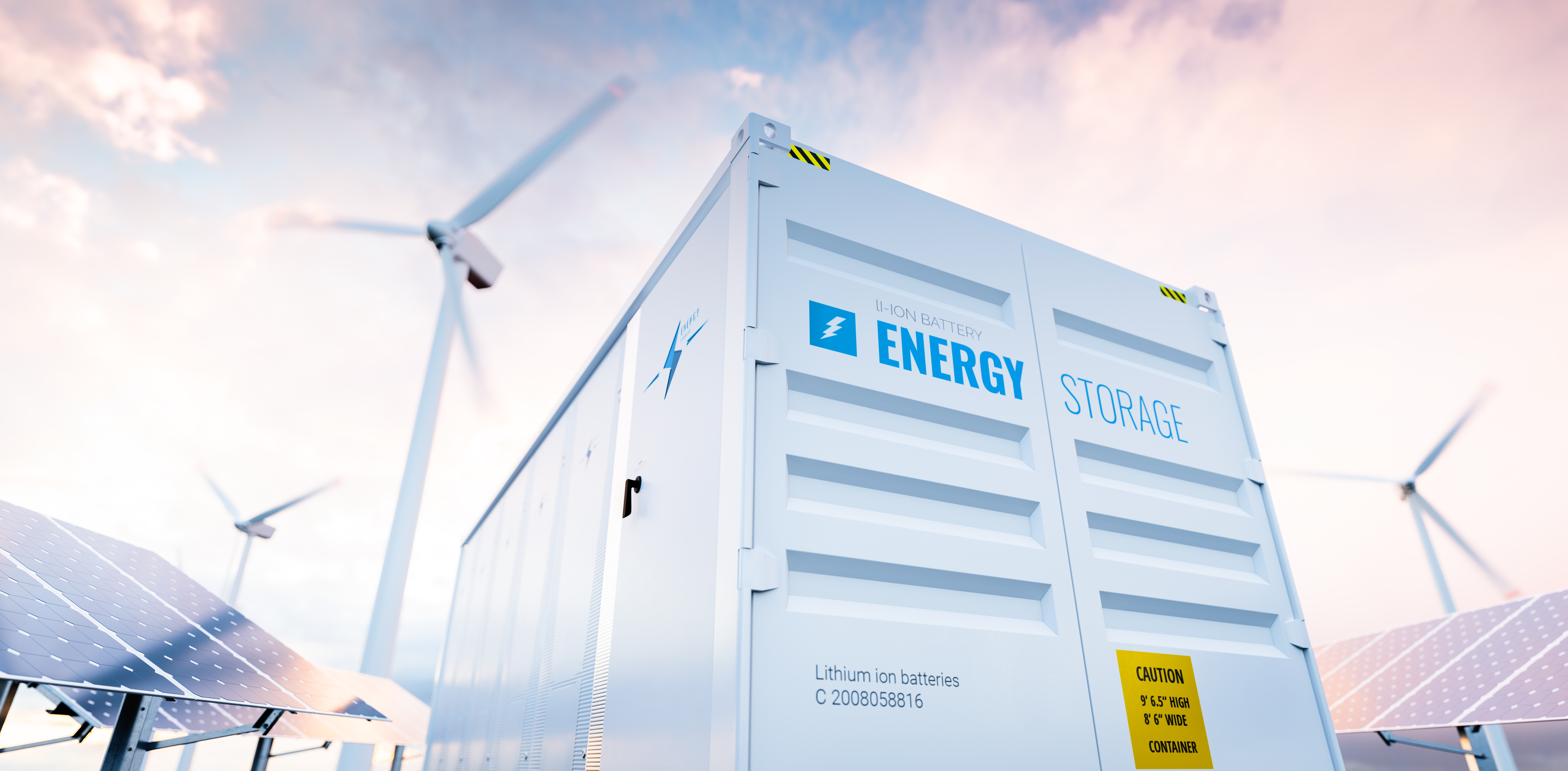
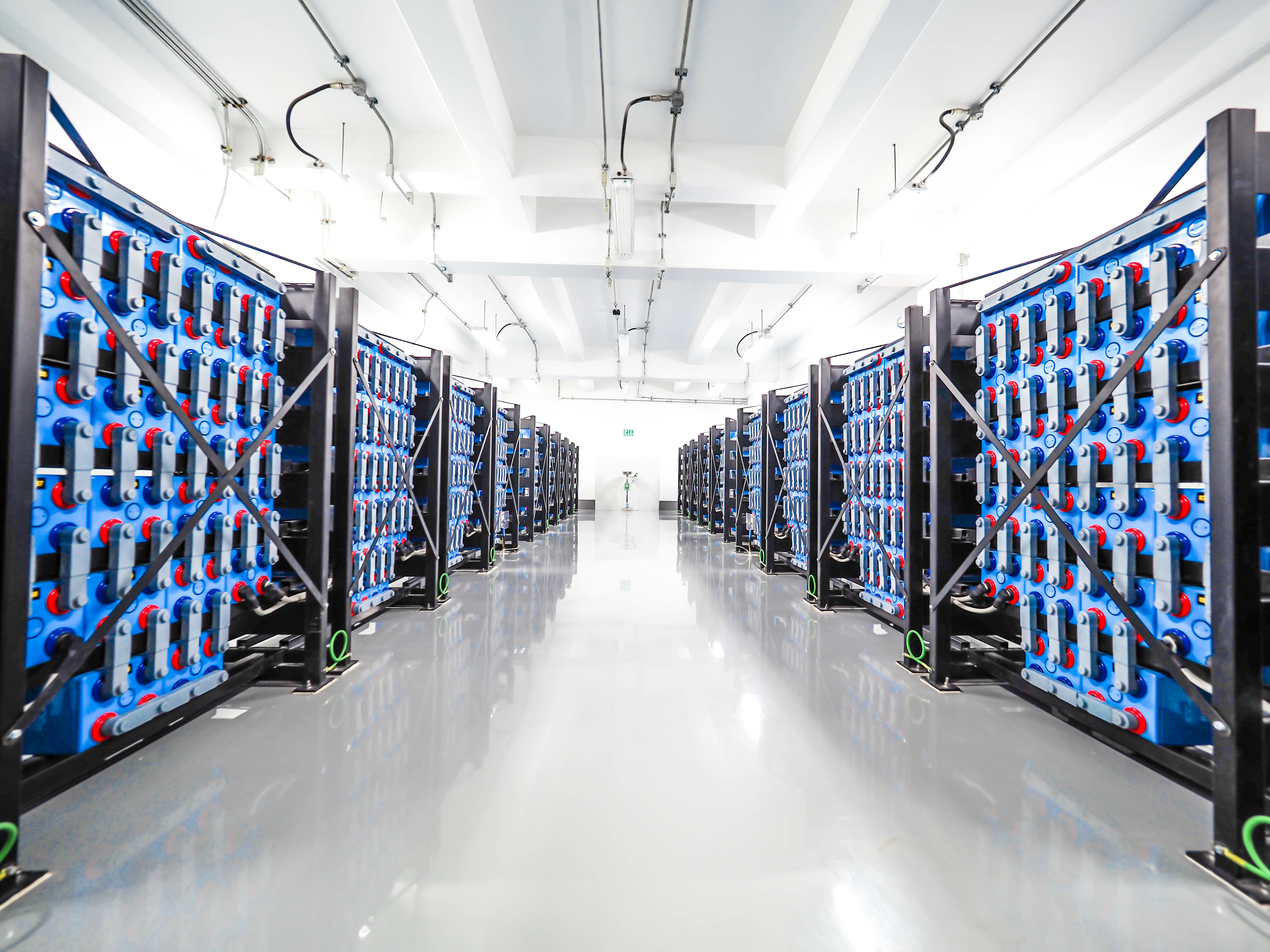
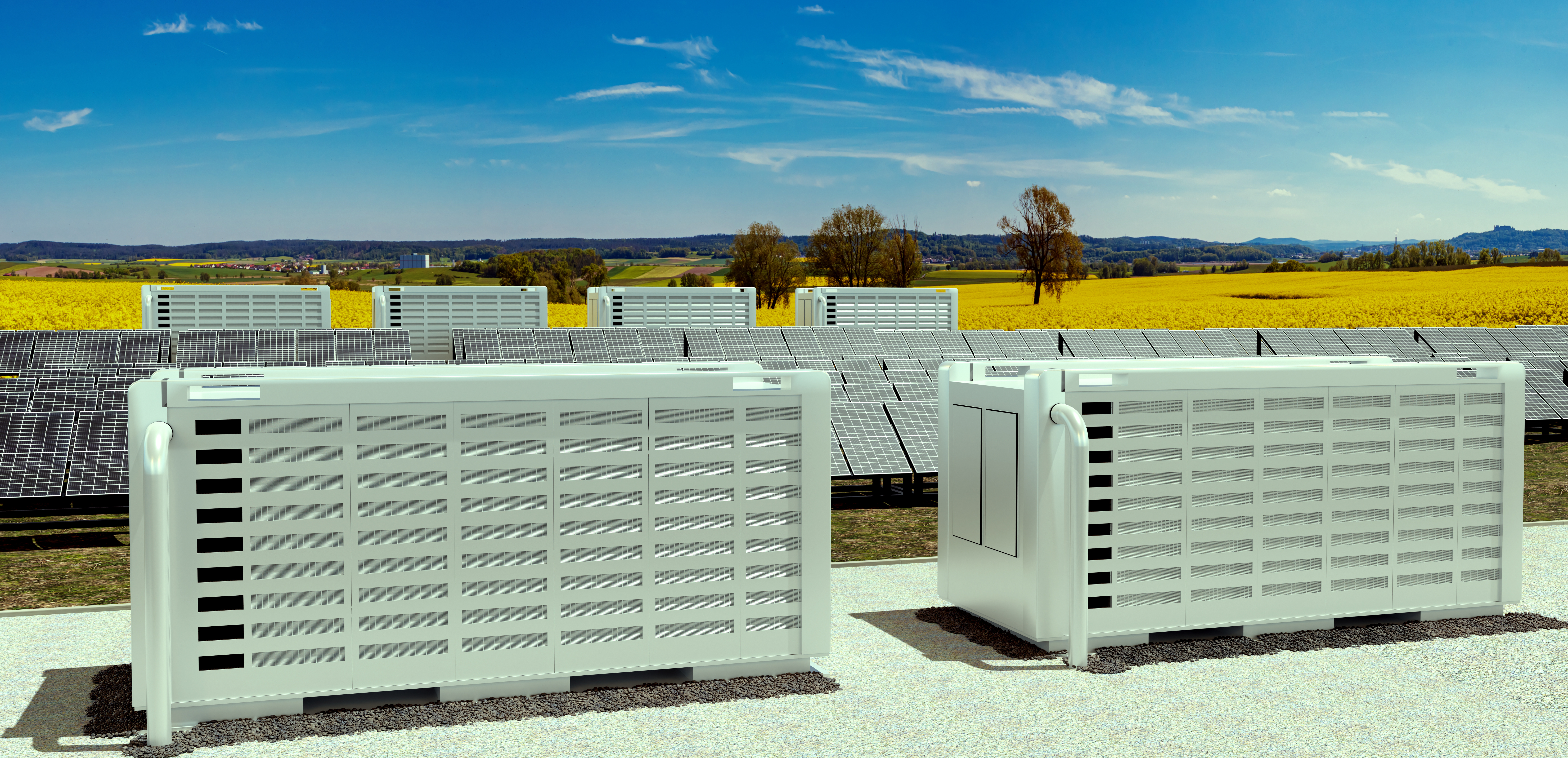
The battery energy storage projects will each consist of battery storage enclosures, electrical inverters and transformers, internal access roads, electrical and communication cabling, a small transmission substation, and other related electrical and infrastructure facilities. The exact layout of the infrastructure footprint has yet to be confirmed and will be determined through additional engineering studies, equipment procurement, and an environmental assessment. The projects will each connect to the Grand Renewables Wind farm.
Here are some examples that show what a battery energy storage project looks like.
Select the images below to enlarge.
Will this project require environmental assessments?
The project will be subject to the Class Environmental Assessment (EA) for Minor Transmission Facilities in accordance with the Ontario Environmental Assessment Act. The Class EA is a streamlined process for transmission projects anticipated to have a predictable range of environmental effects that can feasibly be mitigated with protection measures in place. More information about the Class EA process can be found on the Hydro One website here.
How will this benefit ratepayers in Ontario?
Currently, when energy demand outpaces supply, energy sources such as gas-fired power plants must increase energy production. The battery storage projects are expected to provide significant benefits to Ontario’s ratepayers by reducing the need and cost associated with using gas-fired power plants during times of peak demand.